
Beyond Good Service: Building Lasting Customer Relationships
For a UK service business, delivering quality work is only the starting point. Real growth comes when a one-off customer books again, replies to your reminder, approves your next quote quickly, and recommends you to someone else. That's where customer engagement strategies stop being a marketing buzzword and start becoming part of day-to-day operations.
Most owners already know they should stay in touch with customers. The problem is execution. Client notes sit in one app, bookings in another, quotes in email, invoices in accounting software, and payment chases in your head. When everything is scattered, follow-up becomes inconsistent and customers feel like they're starting from scratch every time they contact you.
That's why the most effective approach is usually the simplest one. Keep customer history, appointments, quotes, invoices, payments, and communication in one place so your team can act quickly and consistently. This guide breaks down 10 practical customer engagement strategies that UK service businesses can use right now to build loyalty, save time, and look more professional with less effort.
Table of Contents
- 1. Personalized Customer Communication and Follow-Up
- 2. Streamlined Appointment Booking and Accessibility
- 3. Transparent Quote Management and Rapid Approvals
- 4. Proactive Customer Support and Response Time Optimization
- 5. Fast and Flexible Payment Options
- 6. Professional Digital Presence and Business Card Sharing
- 7. Data-Driven Insights and Performance Analytics
- 8. Consistent Service Delivery and Quality Assurance
- 9. Proactive Customer Retention and Loyalty Building
- 10. Connected Omnichannel Communication and Customer Experience
- 10-Point Customer Engagement Strategies Comparison
- Unify Your Tools for Better Customer Engagement
1. Personalized Customer Communication and Follow-Up
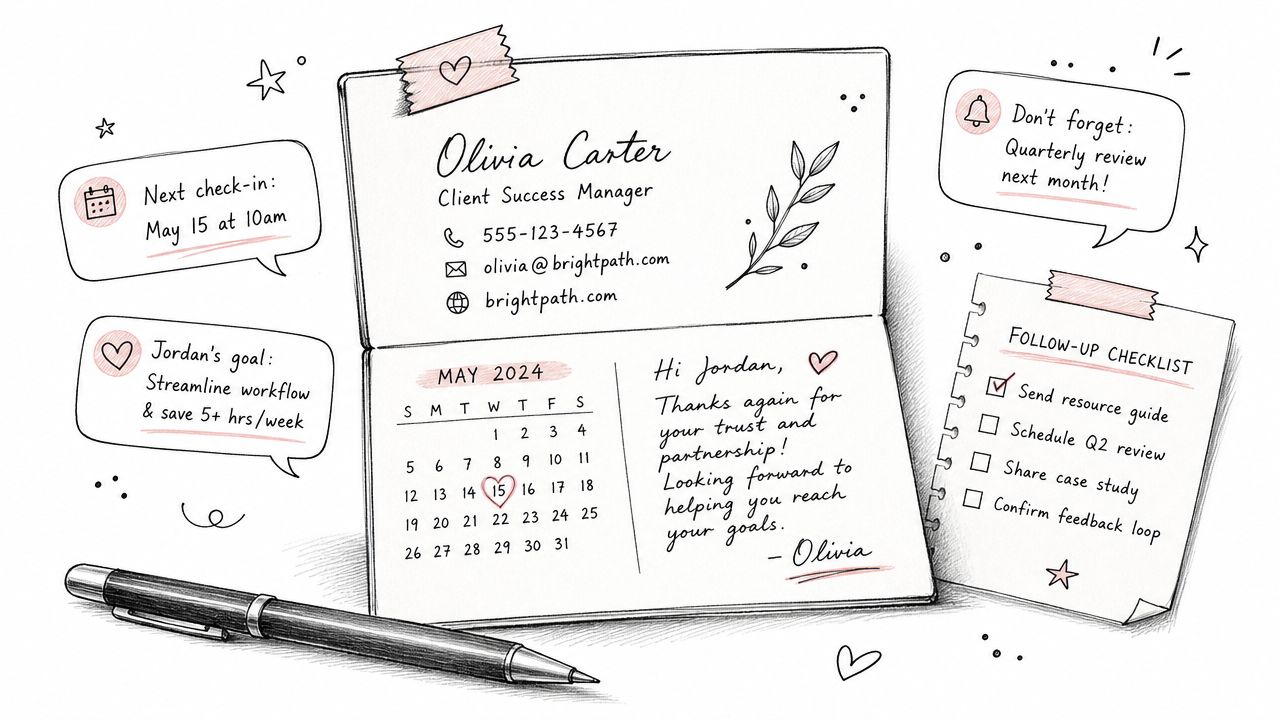
Generic follow-up is easy to ignore. Personal follow-up gets answered. If a plumber remembers the boiler model from the last visit, or a cleaner remembers a client prefers eco-friendly products, the customer feels looked after rather than marketed to.
This doesn't require a complicated CRM setup. It requires discipline. After every job, call, or quote, add a short note about what matters: site access, preferred times, product preferences, family circumstances, past issues, or the service they're likely to need next.
Remember the details that matter
A consultant sending a fresh proposal should reference the outcome of the previous project. A trades business should note which work was completed and what might need checking later. A beauty therapist should remember whether a client usually books a shorter or longer session.
A unified platform makes this easier because the customer record sits beside the quote, appointment, invoice, and payment history. You're not searching through inboxes trying to piece together context before replying.
- Store useful notes only: Record details that help service delivery and follow-up. Skip clutter that nobody will use.
- Create message templates: Start with a standard reminder or follow-up, then personalise the opening line and service reference.
- Trigger follow-up at milestones: Send a message after a quote is issued, after a job is completed, or once an invoice is paid.
- Keep the whole team informed: If one staff member learns a customer preference, everyone should be able to see it next time.
Practical rule: Personalisation works best when it sounds like memory, not surveillance.
For UK businesses, there's another benefit. Keeping customer information in one controlled system is easier to manage responsibly than spreading it across notebooks, inboxes, and personal phones. AetherCloud helps you manage contact history, quotes, invoices, and follow-up in one place, which makes good service feel consistent instead of accidental.
2. Streamlined Appointment Booking and Accessibility
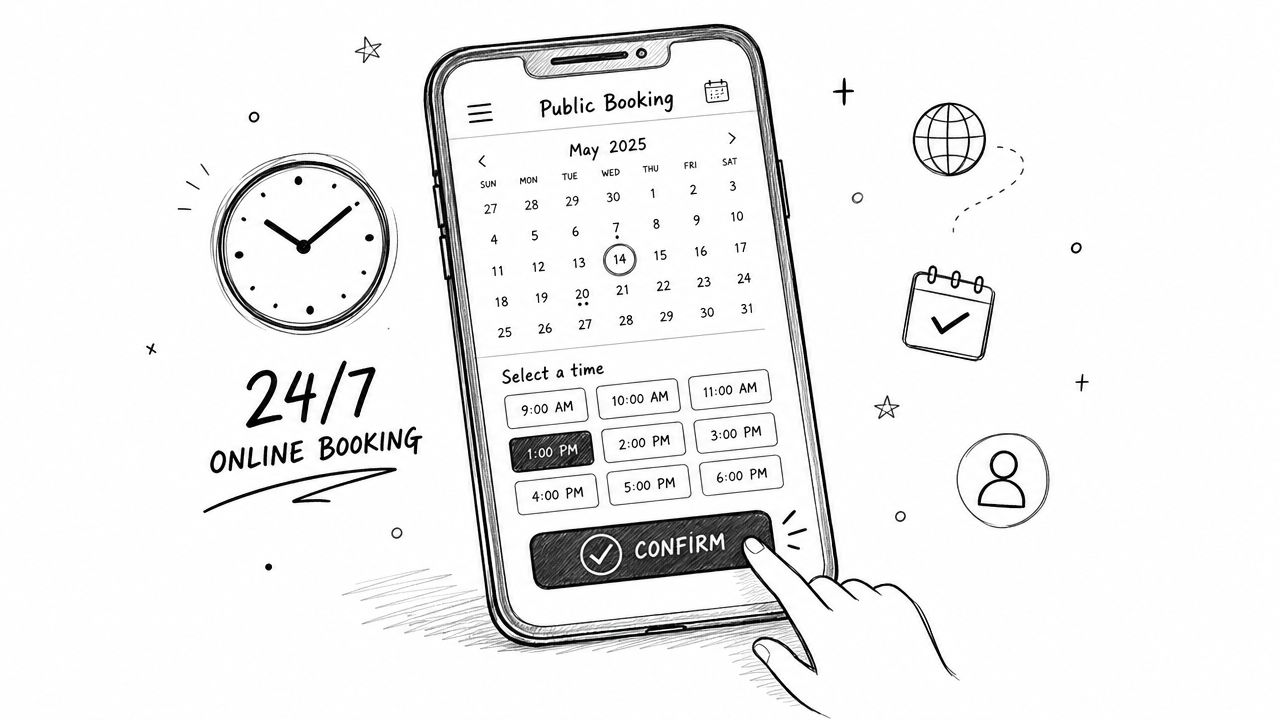
A lot of customer engagement is won or lost before you even speak to the customer. If booking requires phone tag, delayed replies, or a vague “message us to arrange a time”, some people won't bother. They'll move on to the next provider who makes it easier.
That's why online booking matters. A local electrician can offer available slots for callouts. A beauty therapist can let clients choose the right appointment length. A consultant can show meeting availability across the team. The customer gets convenience, and your business gets fewer interruptions.
Make booking easy outside working hours
Your booking page should be easy to find and simple to use. Put it on your website, in your email signature, on your digital business card, and anywhere customers already look. If someone wants to book at night or on a Sunday afternoon, they should be able to do it without waiting for you to wake up or finish another job.
Use AetherCloud appointments to give customers a clear route to book while keeping everything tied back to the same business system.
- Allow booking notes: Let customers mention parking, access instructions, allergies, or job details during the booking process.
- Send reminders automatically: Appointment reminders reduce forgotten visits and cut down on manual chasing.
- Review missed bookings: If people often miss a certain type of appointment, adjust how and when you remind them.
- Keep the link visible: Don't bury your booking page three clicks deep on your site.
A common mistake is making online booking too clever. Too many options, confusing categories, and unclear availability create the same friction as a phone call. Keep service names plain, time slots realistic, and customer choices limited to what helps you deliver the job properly.
Customers don't judge your efficiency by your software stack. They judge it by how easy it is to book you.
3. Transparent Quote Management and Rapid Approvals
Many service businesses lose momentum between enquiry and booked work. The customer asks for a price, you send something over, then silence. Often the issue isn't the price alone. It's uncertainty. If the quote feels unclear, messy, or hard to approve, customers delay the decision.
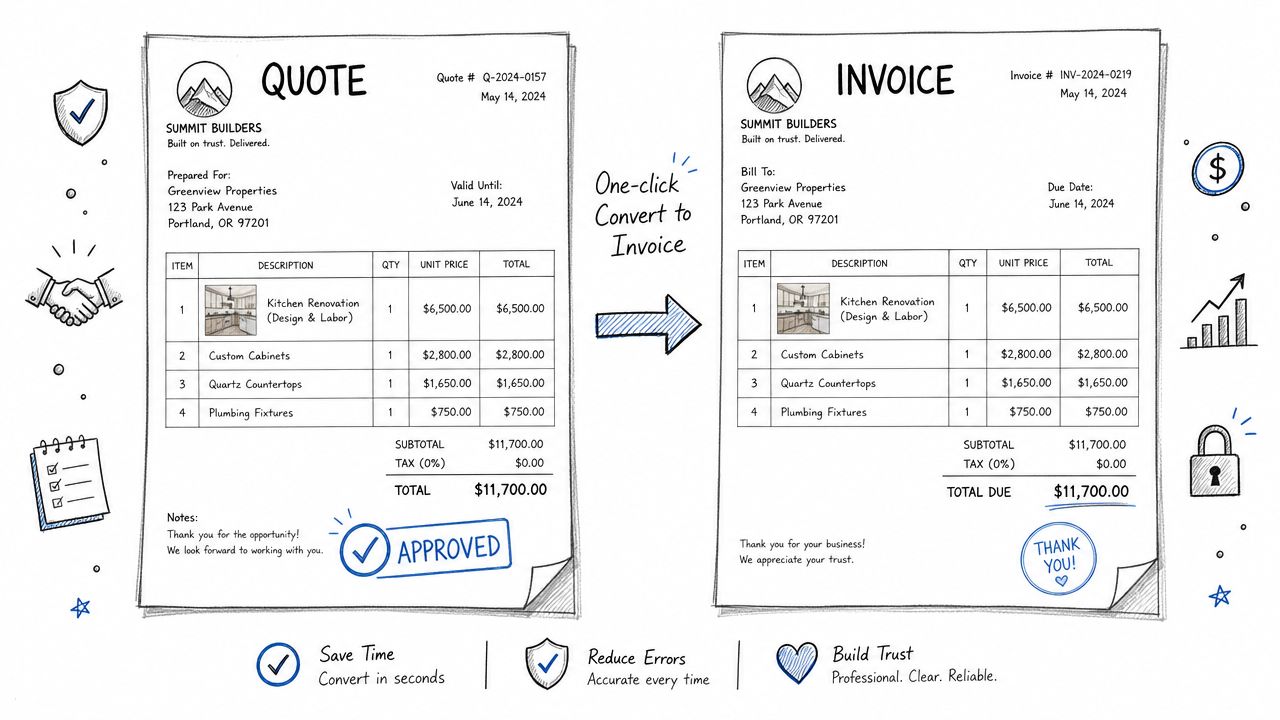
A strong quote does more than list a number. It shows scope, assumptions, options, and next steps. A roofing company might include photos of the affected area. A copywriting agency might break the project into phases. A plumber might offer standard and emergency options so the customer can choose quickly.
Remove friction from the yes
Quotes should answer the customer's obvious questions before they ask them. What's included? What isn't? How long is the quote valid? What happens if they want to proceed? If you leave those points vague, you create extra messages, slower approvals, and more room for disagreement later.
Use AetherCloud quotes when you want quoting and approval to feel straightforward rather than improvised.
- Define the scope clearly: List the work, materials, assumptions, and exclusions in plain language.
- Offer sensible options: Tiered choices can help customers decide without starting a negotiation from scratch.
- Add supporting detail: Photos, sketches, or short explanations build confidence in the estimate.
- Follow up properly: If a customer hasn't replied, send a short, useful nudge instead of “just checking in”.
When a quote is approved, the handover to invoicing should be immediate. That's one of the simplest ways to keep engagement high. Customers don't want to repeat themselves, and you don't want to rebuild admin from scratch every time a project moves forward.
In practice, fast approvals happen when the quote looks professional, the approval route is obvious, and the customer trusts that saying yes won't trigger chaos.
4. Proactive Customer Support and Response Time Optimization
Customers rarely expect instant perfection. They do expect acknowledgement. A delayed response with no visibility often feels worse than a quick reply that says, “Got this, I'll come back to you this afternoon.”
That matters for every kind of UK service business. Parents asking a tutoring service about availability want a clear next step. A cleaning customer wants to know how access will work before the first visit. A consulting client wants reassurance that someone has seen their question and owns it.
Fast replies beat perfect replies
If your support process lives across personal mobiles, inboxes, WhatsApp threads, and scraps of paper, response times become random. One person knows the answer, another person misses the message, and the customer gets silence. A shared system fixes that because the team can see the enquiry history and pick it up without starting from zero.
Set realistic expectations and keep them. If you normally reply within the same day, say that. If you're on site most mornings, use an automatic message that explains when someone will respond.
Here's what usually works better than ad hoc communication:
- Use templates for common questions: Pricing ranges, availability, next steps, and required information shouldn't need fresh typing every time.
- Record recurring issues: If customers keep asking the same thing, improve your website, booking form, or quote wording.
- Assign responsibility clearly: Every enquiry should have an owner, even in a small team.
- Review bottlenecks weekly: Look for delays between first message, first reply, and final resolution.
A prompt, useful reply builds more trust than a polished reply that arrives too late.
Proactive support also means answering questions before they appear. Send access instructions before the first visit. Explain payment terms before the invoice lands. Confirm what the customer needs to prepare before an appointment. When customers feel guided, they stay calmer, reply faster, and are more likely to come back.
5. Fast and Flexible Payment Options
Payment is part of customer experience. If paying you is awkward, your service doesn't feel finished, even if the work itself was excellent. That's why customer engagement strategies should include the invoice and payment step, not treat it as back-office admin.
A trades business that can send an invoice with an online payment option straight after the job looks organised. An agency that agrees sensible staged billing for a larger project looks commercial and easy to work with. A freelancer who makes terms clear before starting avoids tension later.
Make paying the easy part
Good payment practice starts early. Tell the customer how payment works when you quote, confirm, or onboard them. Then repeat it on the invoice in plain language. Don't make them hunt for due dates, bank details, or card payment options.
Use AetherCloud Pay when you want online invoice payment to feel simple for the customer and easier to track for your business.
A few habits make a noticeable difference:
- Include a clear payment route: Every invoice should make the next step obvious.
- Automate reminders: Reminder messages protect cash flow without forcing you to chase manually every week.
- Offer flexibility where it makes sense: Larger projects may need staged billing or deposits.
- Set terms upfront: Customers are easier to manage when they're not surprised by payment expectations.
One caution. Flexibility shouldn't become vagueness. If you offer payment plans or staged invoices, define them clearly and confirm them in writing. “We'll sort it out later” usually turns into delay, confusion, or a difficult conversation you could have avoided.
For many service businesses, better payment engagement has less to do with persuasion and more to do with friction. Remove friction and more customers pay promptly because the process feels normal, secure, and easy to complete.
6. Professional Digital Presence and Business Card Sharing
A customer who wants to recommend you shouldn't have to dig through old messages to find your number, website, or booking link. If they can't find you quickly, that recommendation often goes nowhere.
That's why a digital business card is more useful than many owners realise. It gives customers one place to view your contact details, services, and key links. A plumber can add a QR code to printed materials. A consultant can put their card in a LinkedIn profile. A beautician can use it in an email signature and Instagram bio.
Give customers one place to find and share you
Your digital presence doesn't need to be elaborate. It needs to be consistent. The same business name, contact details, services, and calls to action should appear everywhere customers encounter you. Mixed phone numbers, old logos, and outdated service lists create doubt fast.
Use AetherCloud digital business cards to keep that public-facing information tidy and easy to share.
- Add a clear action: “Book now”, “Request a quote”, or “Call today” gives the customer direction.
- Keep details current: Old email addresses and expired service info make you look disorganised.
- Use a recognisable image: A logo or professional photo helps people remember who they're sharing.
- Connect offline and online: Put the QR code on invoices, vans, leaflets, and physical cards.
A professional digital presence also helps internal consistency. If each team member shares the same core branding and contact route, customers get a more joined-up impression of the business. That matters when you're growing beyond a sole trader setup and want referrals to land with the right person instead of disappearing into the wrong inbox.
7. Data-Driven Insights and Performance Analytics
Most service businesses already have useful customer data. They just can't see it clearly. It's spread across invoices, diaries, notes, bank records, and memory. That makes it hard to spot which services drive repeat business, which customers are drifting away, or where your process slows down.
Good analytics don't need to be complicated. You want enough visibility to answer practical questions. Which customers book regularly? Which quotes sit unanswered? Which services create repeat work? Which months usually need stronger pipeline activity?
Use patterns, not guesswork
A trade business might notice that certain types of work lead to ongoing maintenance jobs. An agency might see that one service package gets approved more smoothly than bespoke proposals. A consultant might realise past clients tend to come back after a certain kind of engagement, but only if someone follows up at the right time.
Use AetherCloud analytics to track activity, revenue, and engagement without stitching together reports from separate tools.
- Review trends regularly: A short monthly review is more useful than a deep dive you never do.
- Link data to decisions: If one service is easier to sell and deliver, shape your offer around it.
- Share insight with the team: Staff work better when they know what's performing and what's slipping.
- Watch for drop-off points: If customers book but don't approve quotes, or approve quotes but delay payment, that's an operational issue to fix.
If you can't see the customer journey in one place, you'll usually blame the wrong part of the business.
The point of analytics isn't to admire dashboards. It's to make better decisions sooner. When the same platform handles booking, quoting, invoicing, payments, and customer records, the patterns become easier to read and far easier to act on.
8. Consistent Service Delivery and Quality Assurance
Customer engagement isn't only about messages and reminders. It's also about whether the experience feels reliably good each time the customer deals with you. Inconsistent service breaks trust quickly, especially when the customer booked you because someone recommended you.
That's why documented processes matter. A cleaning service should use the same checklist for every property type. A consultancy should follow a repeatable client delivery process. A trades business should train apprentices with clear service standards instead of expecting them to “pick it up as they go”.
Consistency is part of engagement
Customers notice the small things. Did the team arrive prepared? Did they know the job history? Was the quote reflected accurately in the work delivered? Did the follow-up happen without being chased? Those moments shape whether a customer returns.
You don't need a huge operations manual. Start with short, practical checklists for the stages that affect customers most.
- Standardise critical steps: Arrival, job confirmation, completion checks, and handover should follow a consistent pattern.
- Collect feedback while it's fresh: Short post-job responses help you catch issues before they become complaints.
- Review errors openly: If something went wrong, fix the process, not just the immediate problem.
- Train for consistency: New team members should learn the same customer standards from day one.
AetherCloud supports this indirectly by keeping the customer record, booking details, quote, and invoice connected. That gives staff the context they need before they turn up, reply, or bill. Consistency becomes easier when the information is visible and current.
The businesses that feel most professional usually aren't improvising less because they're naturally better organised. They've made the expected service steps easier to repeat.
9. Proactive Customer Retention and Loyalty Building
Winning a new customer often takes effort. Keeping a good customer usually takes attention. Yet many businesses stay highly active during the sales stage and then go quiet once the invoice is paid.
That's a missed opportunity. A plumbing customer may need annual servicing. A beauty client may be ready to rebook before they remember to contact you. A consultant's past client may have a fresh project a few months later but only if you stay visible and relevant.
Stay visible after the job is done
Retention works best when it feels helpful, not needy. Send reminders based on service cycles. Check in when there's a genuine reason. Offer loyalty benefits that make sense for your margins and service model. Keep the message tied to value, not just to your need for more work.
Useful retention habits include:
- Segment your customer base: One-off customers, occasional customers, and regulars shouldn't all get the same message.
- Schedule timely reminders: If a service is cyclical, build the reminder into your workflow straight away.
- Reward repeat business carefully: Discounts can work, but upgrades or added-value extras often protect margin better.
- Encourage referrals naturally: Loyal customers are more likely to recommend you when sharing is easy.
The best retention message usually answers a need the customer already has.
A unified platform proves most helpful. If your customer history, service dates, quotes, invoices, and notes all sit together, it's much easier to know who to contact, when to contact them, and what to say. You're not blasting the same message to everyone. You're following up based on real history.
For UK service businesses, that simple change often separates sporadic repeat work from a steady base of returning customers.
10. Connected Omnichannel Communication and Customer Experience
A customer finds your business on Facebook during lunch, sends an enquiry from their phone, books later through your website, rings the office to change the time, and pays from the invoice link that evening. They see one company. If your team is switching between inboxes, spreadsheets, booking apps, and card terminals to keep up, the experience starts to feel disjointed very quickly.
That is where good omnichannel service usually breaks down for UK service businesses. The issue is rarely the number of channels. The issue is whether every interaction sits in one place, with enough context for the next person to respond properly.
A missed handover causes practical problems. Staff ask for details the customer has already given. Notes sit in one system while the latest quote sits in another. A payment arrives, but nobody updates the job record, so the customer gets chased by mistake. Small gaps like that make a business look less organised than it is.
Keep every channel tied to one customer record
Customers should be able to contact you in the way that suits them. Your job is to make sure the business sees one joined-up history behind the scenes. That means the person answering the phone can see the same booking, quote, invoice, and notes as the person replying by email.
AetherCloud is useful here because it replaces a patchwork of separate tools with one operating system for customer communication. Enquiries, bookings, quotes, invoices, payments, digital business cards, and reporting sit together. That gives your team context before they reply, and it gives customers a smoother path from first contact to completed job.
A practical standard looks like this:
- Make contact routes clear: Website, invoice, email signature, and digital business card should all point customers to obvious next steps.
- Keep one shared history: Calls, messages, bookings, quotes, and payments should sit against the same customer record.
- Reply with context: Staff should see what has already happened before they answer, instead of asking the customer to repeat everything.
- Match standards across channels: Response quality should stay consistent whether the customer contacts you by phone, email, or web form.
- Back the channels customers use: Focus effort on the routes that produce real enquiries and booked work, not every platform available.
Before closing this out, it's worth seeing the broader idea in action:
The benefit is simple. Customers get a clear, low-friction experience, and your team spends less time chasing information across disconnected systems. For a UK service business, that usually means fewer dropped handovers, quicker replies, and a more professional customer experience without adding more software.
10-Point Customer Engagement Strategies Comparison
A busy UK service business rarely struggles because the team lacks effort. The usual problem is that booking, quoting, follow-up, payment, and reporting sit in different systems, so simple customer interactions take longer than they should. The comparison below shows where each strategy pays off, what it takes to run it well, and how AetherCloud helps you handle the full set in one platform instead of stitching together separate tools.
| Feature | Implementation Complexity 🔄 | Resource Requirements ⚡ | Expected Outcomes 📊 | Ideal Use Cases 💡 | Key Advantages ⭐ |
|---|---|---|---|---|---|
| Personalized Customer Communication and Follow-Up | 🔄 Medium. Needs a shared CRM, clear records, and disciplined note-keeping | ⚡ Medium. Staff time plus a system that keeps customer history in one place | 📊 Better retention, stronger repeat booking rates, and more effective follow-up | 💡 Repeat-service businesses such as plumbing, cleaning, and consultancies | ⭐ Better customer lifetime value, fewer missed follow-ups, more relevant communication |
| Easy Appointment Booking and Accessibility | 🔄 Low to Medium. Requires online booking, calendar syncing, and sensible availability rules | ⚡ Low. Initial setup is usually the main lift | 📊 Fewer missed enquiries, more completed bookings, and less back-and-forth admin | 💡 Appointment-led businesses such as beauty services, electricians, and clinics | ⭐ Lower admin load, easier booking for customers, availability visible outside office hours |
| Transparent Quote Management and Rapid Approvals | 🔄 Low. Quote templates and digital approval flows keep setup simple | ⚡ Low. Most of the work is standardising how quotes are sent and approved | 📊 Shorter sales cycles and faster job starts | 💡 Project-led work such as roofing, agencies, trades, and installations | ⭐ Clear pricing, quicker decisions, and a reliable approval record |
| Proactive Customer Support and Response Time Optimization | 🔄 Medium. Works best with clear ownership, response targets, and one place for incoming queries | ⚡ Medium. Needs team capacity and a process for handling issues consistently | 📊 Fewer complaints, better reviews, and stronger retention | 💡 Client-facing firms where response time affects trust, such as tutors and consultancies | ⭐ Faster issue resolution, clearer accountability, stronger customer confidence |
| Fast and Flexible Payment Options | 🔄 Low. Card links, online invoices, and payment tracking are straightforward to set up | ⚡ Low to Medium. Payment fees and reconciliation still need managing | 📊 Faster collections, improved cash flow, and less time spent chasing payment | 💡 Any service business that wants to shorten the gap between job completion and cash received | ⭐ Quicker payment, easier customer checkout, cleaner reconciliation |
| Professional Digital Presence and Business Card Sharing | 🔄 Low. Create the assets once, then keep details current | ⚡ Low. Light design effort and simple maintenance | 📊 Easier referrals, more direct enquiries, and a stronger first impression | 💡 Solo operators and referral-led teams | ⭐ Professional presentation, simple contact sharing, more consistent brand visibility |
| Data-Driven Insights and Performance Analytics | 🔄 Medium to High. Depends on clean data, useful dashboards, and someone reviewing the results regularly | ⚡ Medium. Requires consistent input and the discipline to act on what you find | 📊 Better decisions on pricing, services, team performance, and customer follow-up | 💡 Growing businesses that want to improve margins and spot bottlenecks early | ⭐ Clearer decision-making, trend visibility, better operational control |
| Consistent Service Delivery and Quality Assurance | 🔄 Medium. Requires documented steps, training, and regular checks | ⚡ Medium. Time spent building standards pays off when the team grows | 📊 More consistent outcomes, fewer disputes, and a stronger reputation | 💡 Multi-person teams and businesses preparing to scale | ⭐ Repeatable quality, easier onboarding, fewer service gaps |
| Proactive Customer Retention and Loyalty Building | 🔄 Medium. Works best when reminders, rebooking prompts, and loyalty offers are tied to customer records | ⚡ Medium. Ongoing management matters more than flashy campaign ideas | 📊 Higher repeat revenue and stronger customer lifetime value | 💡 Businesses with regular service intervals or clear repeat demand | ⭐ More predictable revenue, better retention, stronger referral potential |
| Connected Omnichannel Communication and Customer Experience | 🔄 High if handled with separate tools. Much lower when calls, messages, bookings, quotes, and invoices sit in one platform | ⚡ Medium to High. Setup depends on how many channels your business already uses | 📊 Smoother customer journeys, better response quality, and fewer dropped handovers | 💡 Businesses managing enquiries across phone, email, web, and field teams | ⭐ Shared customer history, less duplicated admin, more consistent service across channels |
The trade-off is straightforward. You can build each capability with separate specialist apps, but the admin burden rises fast, and staff spend more time checking systems than helping customers. For many UK service firms, AetherCloud is the more practical route because it lets you run these strategies together from one platform, with less duplication and fewer handover mistakes.
Unify Your Tools for Better Customer Engagement
A customer rings to chase a quote. Your engineer is already on the next job. The office checks email, a booking app, and a spreadsheet before anyone can give a clear answer. That kind of delay makes a capable business look harder to deal with than it should.
For many UK service firms, customer engagement breaks down in the gaps between systems. One tool handles appointments, another stores invoices, and customer notes sit across inboxes and phones. The result is familiar. Slower replies, missed follow-ups, repeated admin, and a patchy experience for the customer.
The ten strategies in this guide produce better results when they run as one connected process. Faster response times matter because they lead to booked work. Clear quotes matter because customers can approve them without back-and-forth. Prompt invoices matter because payment is easier when the link arrives at the right time and the job history is already attached to the record.
That is the practical case for using one platform rather than building your process around separate apps.
AetherCloud brings appointments, CRM, quotes, invoices, online payments, digital business cards, and reporting into one system. For UK service businesses, that also means working in GBP, issuing VAT-ready invoices, and managing customer information with UK GDPR and Data Protection Act 2018 requirements in mind.
The trade-off is straightforward. Specialist apps can work well on their own, but each extra tool adds another handover, another login, and another place for information to go missing. AetherCloud gives teams one place to manage the customer journey from first enquiry to completed payment, which makes day-to-day service easier to run and easier for customers to trust.
If your current setup relies on inbox searches, scattered notes, and manual reminders, replacing that patchwork with one joined-up system is usually the faster route to better customer engagement. Use AetherCloud to simplify how customers book, approve, pay, and hear from your business.